Shoulder pain is a common condition that can affect people of all ages and activity levels. From athletes and office workers to older adults, shoulder discomfort can develop gradually or appear suddenly after an injury. Because the shoulder is one of the most mobile joints in the body, it is also more vulnerable to strain, instability, and injury. Understanding the common causes of shoulder pain and knowing when treatment is needed is essential for protecting long-term joint function.
Ignoring shoulder pain may lead to worsening symptoms, reduced mobility, and prolonged recovery.
Why the Shoulder Is Prone to Pain
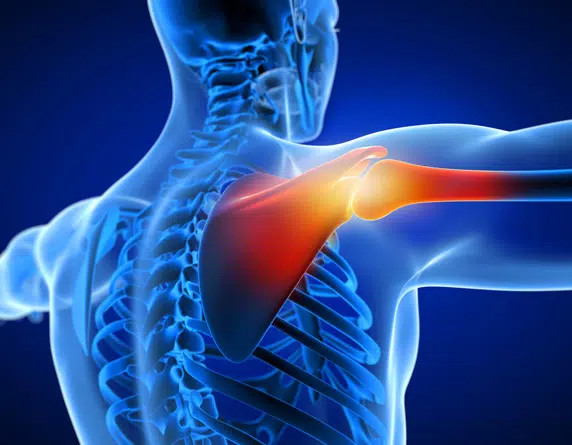
The shoulder joint allows a wide range of motion, enabling activities such as lifting, reaching, throwing, and rotating the arm. This flexibility depends on a complex system of muscles, tendons, ligaments, and bones working together.
Because of this complexity, even minor imbalances, overuse, or injuries can result in pain and dysfunction. Shoulder pain often develops gradually, making it easy to overlook in the early stages.
Common Causes of Shoulder Pain
Understanding the underlying cause of shoulder pain is key to effective treatment. Some of the most common causes include:
Rotator Cuff Injuries
The rotator cuff is a group of muscles and tendons that stabilize the shoulder. Injuries can range from mild inflammation to partial or complete tears. Rotator cuff problems often cause pain when lifting the arm or reaching overhead.
Frozen Shoulder
Frozen shoulder, also known as adhesive capsulitis, causes stiffness, pain, and limited range of motion. It often develops gradually and can significantly restrict daily activities such as dressing or reaching.
Shoulder Impingement
Impingement occurs when shoulder tendons are compressed during movement. This condition often causes pain during overhead activities and may worsen with repetitive use.
Shoulder Instability or Dislocation
Instability occurs when the shoulder joint moves out of its normal position. It may result from trauma, sports injuries, or repetitive strain and can lead to recurring dislocations.
Arthritis
Shoulder arthritis causes joint degeneration, stiffness, and chronic pain. It is more common with aging but can also occur after previous injuries.
Symptoms That Should Not Be Ignored
While mild shoulder discomfort may improve with rest, certain symptoms indicate the need for professional evaluation.
Persistent Pain
Shoulder pain that lasts more than a few days or continues to worsen should not be ignored. Persistent pain often indicates an underlying condition that requires treatment.
Limited Range of Motion
Difficulty raising the arm, rotating the shoulder, or performing everyday tasks is a sign of joint dysfunction. Loss of mobility is not normal and should be assessed.
Night Pain
Shoulder pain that interferes with sleep is a common sign of rotator cuff injury or inflammation and should be evaluated by an orthopaedic specialist.
Weakness or Instability
A feeling of weakness, instability, or the shoulder “giving way” may indicate tendon or ligament damage, increasing the risk of further injury.
The Risks of Delaying Treatment
Delaying treatment for shoulder pain can lead to progression of the underlying condition. Minor injuries may worsen over time, resulting in chronic pain or permanent loss of motion.
Untreated shoulder conditions may lead to:
- Increased tendon damage
- Chronic inflammation
- Joint stiffness
- Reduced strength and function
- Longer recovery periods
Early evaluation often allows for conservative treatment options and better outcomes.
How Shoulder Pain Is Diagnosed
Accurate diagnosis is essential for effective shoulder pain treatment. An orthopaedic evaluation typically includes:
- Detailed medical history and symptom review
- Physical examination to assess movement and strength
- Imaging studies such as X-rays, ultrasound, or MRI when needed
Identifying the exact cause of shoulder pain ensures that treatment targets the root problem rather than just managing symptoms.
Treatment Options for Shoulder Pain
Treatment depends on the underlying cause and severity of the condition. Many shoulder problems can be managed without surgery when diagnosed early.
Common treatment approaches include:
- Activity modification and guided rest
- Physical therapy to improve strength and mobility
- Anti-inflammatory treatments
- Injection therapies when appropriate
- Minimally invasive surgical procedures for specific conditions
The goal of treatment is to relieve pain, restore function, and prevent recurrence.
Rehabilitation and Recovery
Rehabilitation plays a crucial role in shoulder recovery. Physical therapy focuses on restoring flexibility, strength, and stability while reducing the risk of re-injury.
Skipping or rushing rehabilitation may lead to incomplete recovery and persistent symptoms. A structured rehabilitation plan supports long-term shoulder health.
When to See an Orthopaedic Surgeon
You should consider seeing an orthopaedic surgeon if:
- Shoulder pain persists despite rest
- Movement is limited or painful
- Pain interferes with daily activities or sleep
- Weakness or instability is present
- Symptoms worsen over time
Early consultation provides clarity, reassurance, and a personalized treatment plan.
Protecting Long-Term Shoulder Health
Shoulder pain should never be ignored when it affects daily function or quality of life. Early diagnosis, appropriate treatment, and structured rehabilitation help restore movement and prevent long-term complications.
With professional orthopaedic care, most patients can return to normal activities with improved comfort and confidence.
If shoulder pain is limiting your movement or affecting your daily routine, seeking expert guidance is the first step toward recovery.