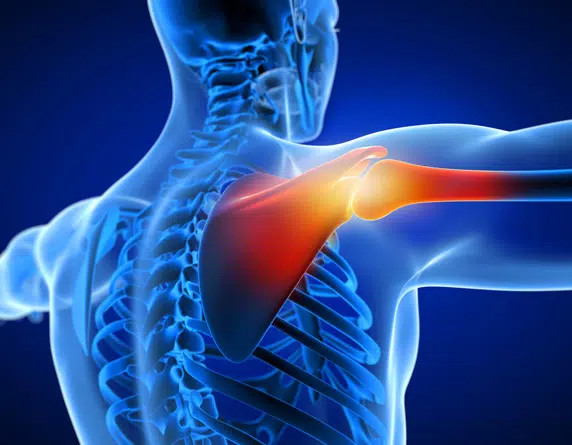
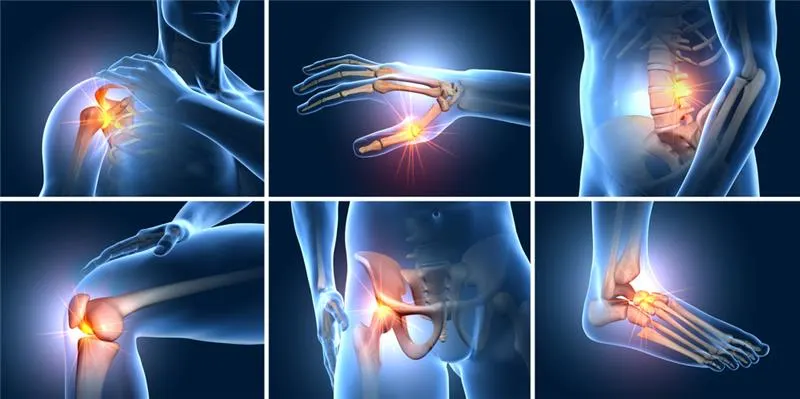
Joint pain and stiffness are common complaints that affect people of all ages. While occasional discomfort after physical activity or a long day may be normal, persistent joint pain or stiffness can signal an underlying orthopaedic condition that requires professional evaluation. Many people delay seeking medical advice, assuming symptoms will improve on their own, but early assessment is often key to preventing long-term joint damage.
Understanding when joint pain and stiffness should not be ignored helps protect mobility, comfort, and overall quality of life.
What Causes Joint Pain and Stiffness?
Joints allow movement and flexibility, but they are exposed to daily stress, weight-bearing, and repetitive motion. Over time, this can lead to pain or stiffness, especially when underlying conditions are present.
Common causes of joint pain and stiffness include:
- Osteoarthritis, caused by gradual cartilage wear
- Inflammatory joint conditions, such as rheumatoid arthritis
- Overuse injuries from repetitive movements
- Previous joint injuries that did not heal properly
- Muscle weakness or imbalance around the joint
- Age-related changes in joint structure
While some causes are mild and temporary, others require medical attention to prevent progression.
When Joint Pain Is No Longer “Normal”
Many people accept joint pain as a normal part of aging or physical activity. However, pain that interferes with daily life should never be considered normal.
Joint pain and stiffness should be evaluated if they:
- Persist for more than a few days
- Worsen over time
- Return frequently after activity
- Affect sleep or rest
- Limit normal movement
Pain is the body’s way of signaling that something is wrong and needs attention.
Warning Signs That Require Professional Evaluation
Certain symptoms indicate that joint pain or stiffness may be more serious and should be assessed by an orthopaedic specialist.
Morning Stiffness
Stiffness that lasts longer than 30 minutes after waking may suggest inflammation or early joint disease. Persistent morning stiffness is not normal and should be evaluated.
Swelling or Warmth
Swelling, redness, or warmth around a joint may indicate inflammation, infection, or internal joint damage. These signs should not be ignored.
Reduced Range of Motion
Difficulty bending, straightening, or rotating a joint fully may signal cartilage damage, joint degeneration, or stiffness caused by inflammation.
Pain During Simple Activities
Joint pain that occurs during basic movements such as walking, standing, or gripping objects often indicates structural problems that require treatment.
Joint Instability or Weakness
A joint that feels weak, unstable, or unable to support weight may be at risk of further injury if left untreated.
The Risks of Delaying Evaluation
Ignoring joint pain and stiffness can lead to worsening symptoms and long-term complications. Many joint conditions progress gradually, making early intervention especially important.
Delaying professional evaluation may result in:
- Increased cartilage damage
- Chronic inflammation
- Reduced joint mobility
- Development of joint deformities
- More complex treatment in the future
Early diagnosis often allows for conservative treatment options and better long-term outcomes.
How Joint Conditions Are Diagnosed
A professional orthopaedic evaluation focuses on identifying the exact cause of joint pain and stiffness. Diagnosis typically includes:
- Detailed medical history
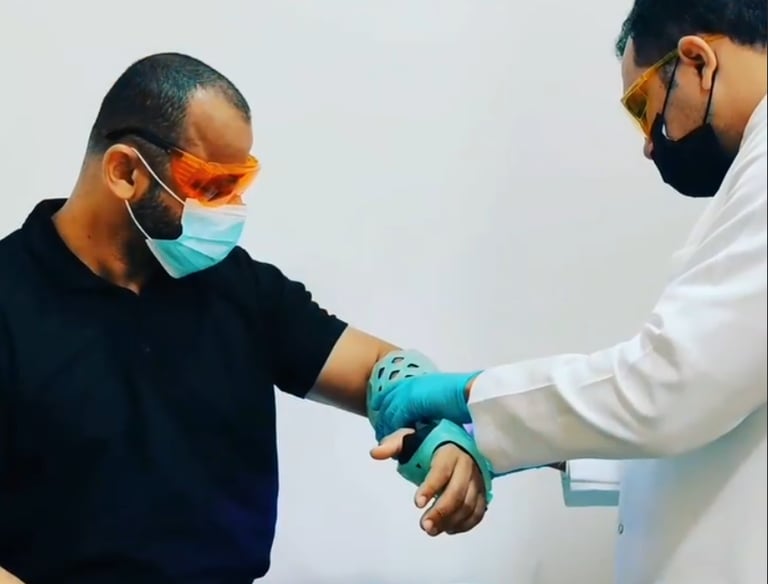
- Physical examination of the affected joint
- Assessment of movement, strength, and stability
- Imaging studies such as X-rays or MRI when needed
Accurate diagnosis ensures that treatment addresses the root cause rather than only managing symptoms.
Treatment Options for Joint Pain and Stiffness
Treatment depends on the underlying condition, severity of symptoms, and the patient’s lifestyle and activity level.
Common treatment approaches include:
- Activity modification and joint protection
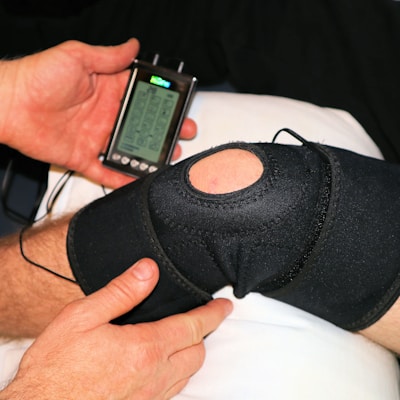
- Physical therapy to improve strength and flexibility
- Anti-inflammatory treatments
- Injection therapies when appropriate
- Minimally invasive procedures for specific conditions
Early treatment focuses on preserving joint function and preventing further damage.
The Role of Physical Therapy and Rehabilitation
Rehabilitation plays a crucial role in managing joint pain and stiffness. Physical therapy helps:
- Improve joint mobility
- Strengthen muscles supporting the joint
- Reduce pain and inflammation
- Restore confidence in movement
A structured rehabilitation plan can significantly improve long-term joint health and function.
Joint Pain Is Not Limited to Older Adults
While joint problems are more common with age, they can affect younger individuals as well. Athletes, office workers, and people with physically demanding jobs are also at risk.
Joint pain in younger individuals may result from:
- Sports injuries
- Repetitive strain
- Poor posture or movement patterns
- Previous untreated injuries
Early evaluation helps prevent chronic issues later in life.
When to See an Orthopaedic Specialist
You should consider seeking professional evaluation if:
- Joint pain persists despite rest
- Stiffness limits daily activities
- Swelling or instability is present
- Pain affects sleep or work
- Symptoms continue to worsen
An orthopaedic specialist provides clarity, reassurance, and a personalized treatment plan.
Protecting Long-Term Joint Health
Joint pain and stiffness should never be ignored when they affect daily comfort or mobility. Early diagnosis and appropriate treatment help preserve joint function and prevent long-term complications.
With expert orthopaedic care, many joint conditions can be effectively managed, allowing patients to maintain an active and comfortable lifestyle.
If joint pain or stiffness is limiting your movement or confidence, professional evaluation is the first step toward lasting relief.